

7 Relationship Communication Skills That Transform Conflict Into Connection Learn essential communication skills to improve relationships, resolve conflicts, and deepen emotional connections. Expert tips from relationship coach Ritika Vasudev. Introduction Miscommunication is one of the leading causes of relationship breakdowns. Whether you're in a romantic partnership, dealing with family dynamics, or navigating workplace relationships, how …


7 Relationship Communication Skills That Transform Conflict Into Connection
Learn essential communication skills to improve relationships, resolve conflicts, and deepen emotional connections. Expert tips from relationship coach Ritika Vasudev.
Introduction
Miscommunication is one of the leading causes of relationship breakdowns. Whether you’re in a romantic partnership, dealing with family dynamics, or navigating workplace relationships, how you communicate can make or break the connection.
According to relationship experts, 70% of couples report dissatisfaction due to poor communication**. The good news? Communication is a skill you can learn and master. In this guide, we’ll explore 7 proven communication techniques that transform difficult conversations into opportunities for deeper understanding and connection.
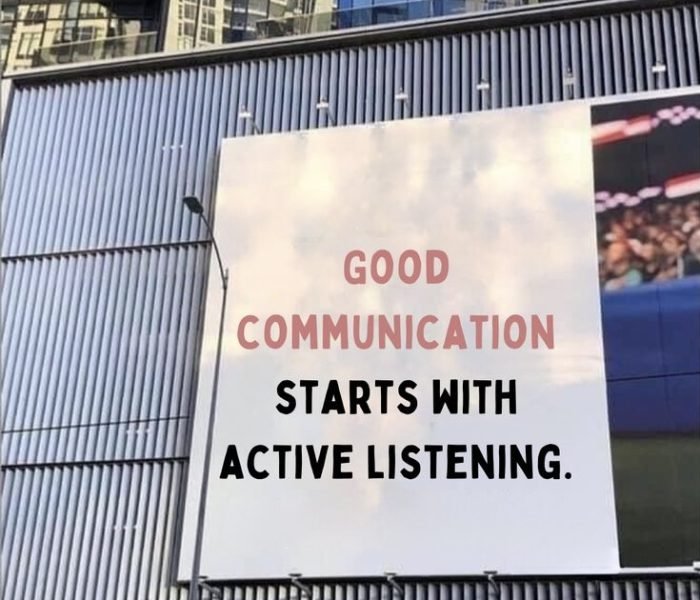
1. Active Listening: The Foundation of Understanding
What It Means:
Active listening goes beyond hearing words-it’s about truly understanding what the other person is saying and how they’re feeling.
How to Practice It
⁃Put away distractions (phones, laptops)
⁃ Maintain eye contact and open body language
⁃Don’t interrupt or plan your response while they’re speaking
⁃Reflect back what you hear: “So what I’m hearing is that you felt overlooked when”
⁃Ask clarifying questions to show genuine interest
Why It Matters
-When people feel truly heard, defensive walls come down.
-This creates space for vulnerability and authentic connection-the foundation of healthy relationships.
2. Use “I” Statements Instead of “You” Accusations
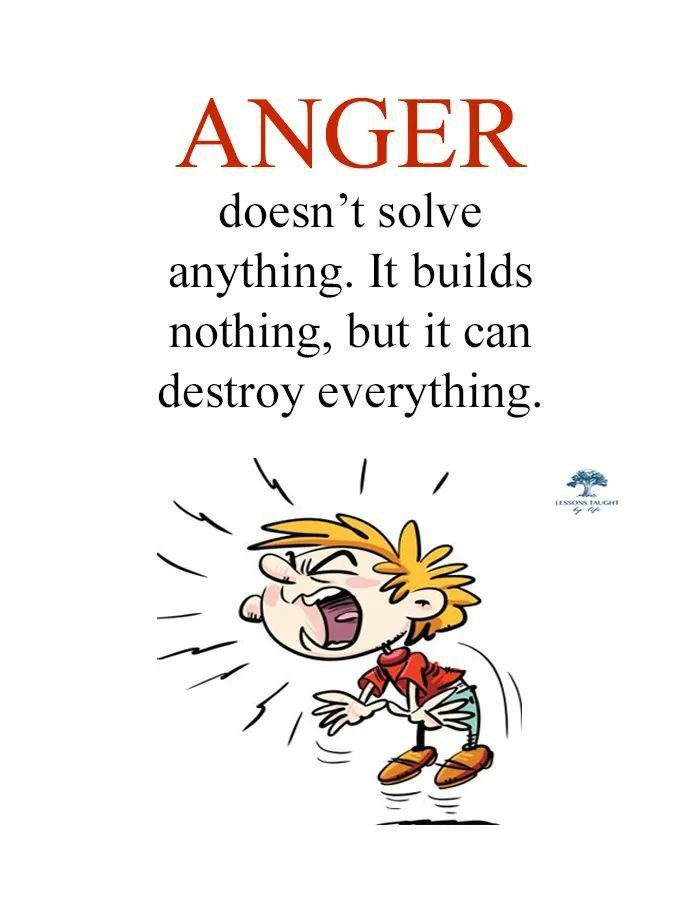
The Problem with “You” Statements
-“You never listen to me” or
-“You’re always late” immediately puts people on the defensive.
The Solution Statements- Replace blame with personal experience:
⁃ “You make me feel invisible”
⁃ “I feel disconnected when we don’t have quality time together”
This approach:
⁃ Shares your feelings without attacking
⁃ Takes personal responsibility
⁃ Opens dialogue instead of closing it
⁃ Reduces defensiveness and conflict
3. Practice Emotional Validation
Understanding Validation:
Validation doesn’t mean you agree with someone-it means you acknowledge their emotions as real and important.
Examples of Validating Responses
⁃”I can see why that would hurt you”
⁃ “Your feelings make sense given what you’ve experienced”
⁃ “That sounds really frustrating”
⁃ “I appreciate you sharing this with me”
The Power:
People become defensive when they feel their emotions are dismissed. Validation creates safety and encourages honest communication.
4. Master the Art of Perspective-Taking

What It Means:
Stepping into someone else’s shoes and trying to understand their viewpoint, even if you don’t agree.
How to Apply It
1. Ask: “Help me understand your perspective”
2. Listen without planning a rebuttal
3. Summarize their view to confirm accuracy
4. Find common ground or at least mutual respect
Real-World Impact:
When both parties feel their perspective has been genuinely considered, collaborative solutions emerge naturally.
5. Set Healthy Boundaries with Compassion

Boundaries Aren’t Walls:
Many people confuse boundaries with rejection. Healthy boundaries actually strengthen relationships.
How to Communicate Boundaries
⁃ Be clear and specific about what you need
⁃ Use kindness, not harshness
⁃ Example: “I need some quiet time after work to recharge. This isn’t about you—it’s what I need to be my best self for us.”
⁃ Follow through consistently
Benefits:
Clear boundaries reduce resentment and help both people understand what’s acceptable and what isn’t.
6. Manage Your Emotions Before the Conversation

The Challenge:
When emotions run high, our ability to communicate clearly drops dramatically.
Pre-Conversation Strategies:
⁃ Take a pause if you’re angry or hurt
⁃ Practice deep breathing to calm your nervous system
⁃ Identify what you want to achieve from the conversation
⁃ Choose the right time (not when exhausted or in public)
⁃ Get centered through meditation or journaling
The Result:
You’ll communicate your needs clearly instead of reacting emotionally.
7. Ask Questions Before Making Assumptions
-The Power of Curiosity
-Assumptions create conflict. Questions create undertanding
Shift Your Mindset
Instead of:
– “They’re ignoring me” → “I notice they seem distant. Is everything okay?”
– “They don’t care about my feelings” → “I’m feeling hurt. Can we talk about this?”
Open-Ended Questions That Work
⁃ “What was going through your mind when…?”
⁃ “Help me understand why that matters to you”
⁃ “What would feel supportive to you right now?”

The Relationship Communication Cycle
When you combine these 7 skills, you create a positive communication cycle:
1. You listen actively → Person feels heard
2. They open up more → You gain deeper understanding
3. You validate their feelings → They feel safe
4. You take perspective → Both feel respected
5. Clear boundaries exist → No confusion or resentment
6. Emotions are managed → Conversations stay productive
7. Curiosity replaces assumptions → Understanding deepens
Transform Your Relationships Today
Mastering communication skills isn’t something that happens overnight, but with consistent practice, you’ll notice:
⁃ Fewer arguments and more understanding
⁃ Deeper emotional intimacy
⁃ Greater trust and connection
⁃ More effective problem-solving
⁃ Less defensiveness and conflict
Ready to Transform Your Relationships?
If you find that communication challenges are affecting your relationships-whether romantic, tamily, or professional-you don’t have to figure it out alone.
*Relationship coaching can accelerate your progress.* A skilled coach helps you:
⁃ Identify your specific communication patterns
⁃ Practice new skills in a safe space
⁃ Address deeper relationship issues
⁃ Build lasting, fulfilling connections
[Schedule a relationship coaching session with Ritika Vasudev]
(https://sundatingwellness.com/) and start transforming your relationships today.